Kaise Karein? 💪

Trashy Sister with a knowing grin
Har guide ka pehle 30-second version padho, fir mann kare, toh aage badho. Or araam se okay? Har cheez ek saath karke khud ko overwhelm nahi karna hai, just pick one activity you find doable and practice perfecting it over many months, only then move on to the next thing.
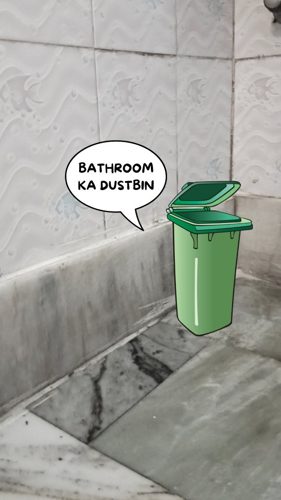
🚮 How to segregate household waste

Difficulty: Easy • Time: 10 min setup, seconds daily • Needs: 3 containers you already own

In 30 seconds: Three bins, wet (food), dry (recyclables), reject (sanitary/hazardous). Rinse-and-dry anything recyclable. That's 90% of it.

  1. Place three containers in or near the kitchen: Wet (any covered bin), Dry (a big bag or bin, it won't smell), Reject (small bin with liner).
  2. Wet = food scraps, peels, leftovers. This goes to composting, or save it as food for community cows.
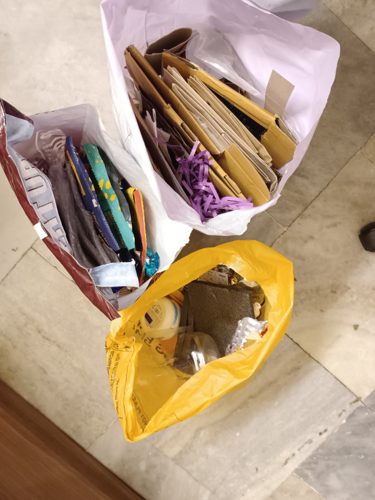
  3. Dry = paper, plastic, glass, metal, cartons, electronic waste, empty medicine packets. Clean and dry only. This goes to your local raddiwala, whatever he is willing to take. (Broken glass: wrap it properly and mark it with an X.)
  4. Reject and hazardous waste = sanitary waste, used bandages. Wrap them properly before discarding and mark them with an X.

❌ Common mistake: putting oily pizza cartons with dry waste. Always compost oily cartons, or your entire batch of dry recyclables could be rejected by the recycler.

🥕 How to compost food waste at home

Difficulty: Medium • Time: 2 min/day • Needs: two paint buckets or similar containers, a bunch of browns like cocopeat, dry leaves, paper, cardboard, plus food waste

In 30 seconds: Layer of food waste + equal "browns" (cocopeat, dry leaves, paper, cardboard) + weekly stir = compost in 6 to 8 weeks. Smell means too wet: add browns.

  1. Take your first bucket and drill or punch air holes around the sides, especially the bottom.
  2. Start with a bed of browns at the bottom of the container: dry leaves, shredded newspaper.
  3. Add kitchen waste daily, and cover every addition with a fistful of browns. Dry cocopeat works best for this. You can get some here.
  4. Stir once a week. The amount of moisture in the batch should be like that of a damp sponge.
  5. When the bin fills up, let it rest 3 to 4 weeks and repeat the same process in bin #2.
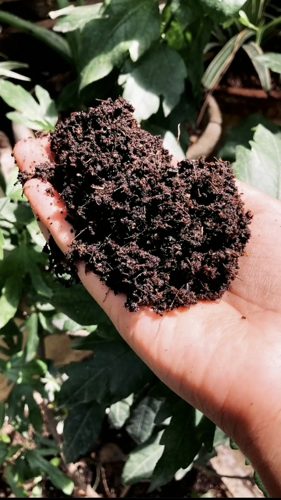
  6. In a couple of weeks, the first bin will be ready with dark crumbly compost that smells like soil.
  7. Sieve it and use it to nourish your plants.

Troubleshooting: Smells → too wet, add browns and stir. Flies → bury fresh waste under browns, add a cloth cover. Nothing happening → too dry, sprinkle water. Maggots → harmless decomposers (here is what mine looked like), but layering more browns and neem khali on top deters them.

If you want to make things easier, you can buy a stackable composter like this one.

❌ Skip meat, dairy and oily gravies in your first months. They're compostable but harder to manage.

🍊 How to make bioenzyme

Difficulty: Easy (patience required) • Active time: 10 min • Wait: 90 days • Needs: citrus peels, jaggery, a plastic bottle

In 30 seconds: 1 part jaggery : 3 parts citrus peels : 10 parts water, in a plastic bottle, burped daily for the first month. Ready in 90 days. Dilute it for cleaning everything.

  1. In a plastic bottle (glass can burst), mix 100 g jaggery, 300 g citrus peels and 1 litre water. Leave one-third empty.
  2. Cap loosely. For the first 2 to 3 weeks, open daily to release gas ("burping").
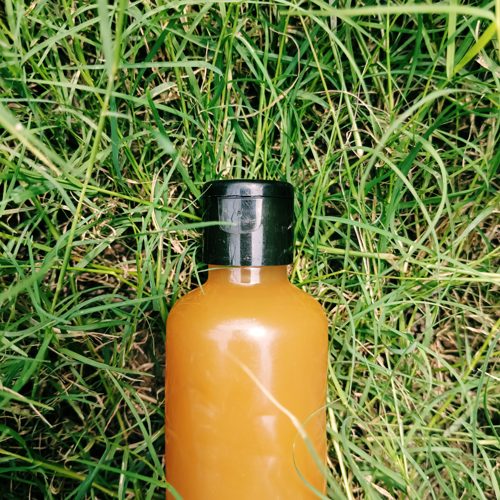
  3. Store in shade. After 90 days, strain. The liquid is your bioenzyme, and the sludge starts your next batch or joins the compost.
  4. Use it diluted, roughly 1:10 in water for floors and surfaces, or a splash neat for sinks and drains.

Troubleshooting: White layer on top = harmless fermentation yeast, stir it in. Black mould = discard and start fresh with cleaner peels. Bottle bloating = burp it more often.

📚 The holy grail of bioenzyme information: this is the blog I learnt bioenzymes from, and it is still the most thorough resource I've found on how to make and use them. Read it here →

❌ Safety: not for drinking. Keep it labelled and away from children, and never mix it with bleach or other chemicals.

💧 How to save and reuse RO wastewater

Difficulty: Easy • Time: one-time 15-min setup • Needs: a bucket and the pipe you already have

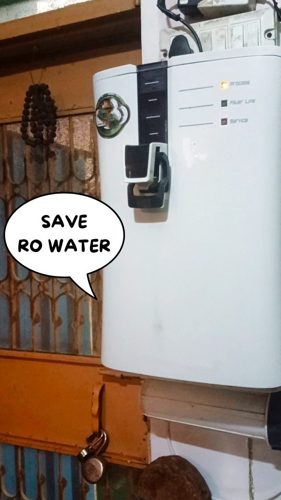
In 30 seconds: Your RO purifier rejects roughly 3 litres for every litre purified. Redirect the reject pipe into a bucket instead of the drain, then use it for mopping, plants (diluted), pre-rinsing dishes and washing the balcony.

  1. Find the thin reject-water pipe behind your RO unit. It drips constantly while purifying.
  2. Extend it into a dedicated bucket or drum.
  3. Best uses in order: mopping, toilet flushing, first rinse of very dirty utensils, washing floors and vehicles. For plants, alternate with regular water, since reject water is higher in dissolved salts.

❌ Common mistake: collecting it and letting it stagnate for days. Use it within 48 hours and keep the bucket covered, or you're breeding mosquitoes.

🎒 How to prevent trash while travelling

Difficulty: Easy • Needs: a small kit you assemble once

In 30 seconds: Carry the Five: a bottle, your own bag, your own dabba, a spoon, and a small pouch for wrappers you couldn't avoid. That kit kills most travel trash.

  • Health comes first. If the refill stations are dirty or you can't find a clean drinking water cooler, buy the bloody bottle and recycle the packaging later. You can't do everything perfectly, and getting sick on a trip helps nobody.
  • Where refills are clean, use them. Most Indian railway stations have water ATMs.
  • Carry your own bag to avoid collecting thailas everywhere you shop.
  • Carry your own dabba for street food, so your samosas and chaat don't arrive on foam plates.
  • Carry your own toiletries instead of using the hotel's. In fact, return the tiny bottles to the reception the moment you check in, before they get wet and unusable for the next guest.
  • Say "no straw, no cutlery" while ordering, not after it arrives.
  • Couldn't avoid a wrapper? Pocket-pouch it and bin it where segregation exists.
🛁 How to start low-waste bathroom practices

Difficulty: Easy • Rule: replace only as things finish

In 30 seconds: Don't bin working products, that's waste too. As each item runs out, replace it with eco-friendly options if they're in your budget. It's totally okay if you can't switch yet. Just try to recycle as much packaging of your bathroom products as you can.

Easiest first: bar soap instead of bottled body wash. You probably grew up with it anyway.

  • Old toothbrushes retire to grout-cleaning duty before disposal.
  • Menstrual swaps have their own honest comparison on the Swaps page.
  • Drain hair goes into your compost bin.
  • Toiletry packaging goes into recycling.
  • Use non-toxic toilet cleaners. The conventional ones are poisoning our water bodies, and they say so themselves. Find some sustainable swaps in tried and tested cleaners.
💯 100 small things you can do

Difficulty: Pick any one • Made by you and me, NOT AI

In 30 seconds: A hundred small, real actions, sorted by the moment you'd actually do them. Don't read it all at once. Pick one line, do it for a month, come back for the next.

🛍️ Before shopping

  • Check whether a brand is ethical before you buy, using Good On You or PETA's Bunny Free app.
  • Instead of the usual apps, keep sustainable marketplaces on your phone: Satopradhan, Brown Living, Suspire.
  • Make a BUY NOTHING WhatsApp group in your society to borrow and share instead of buying new.
  • Stop falling for million-day sales. Don't buy unless you really, really need it. Same for freebies, refuse the unnecessary ones.
  • Buy second-hand wherever you can, from sources that offer warranty and buyer protection. My phone, laptop, clothes and books are all second-hand.
  • Scoop out every last bit of product before buying new. Cut open toothpaste, creams, sunscreens and detergents. I have a lipstick that has been "almost finished" for two years.
  • Finish the free samples and tiny hotel bottles you've hoarded. Cruelty-free or not, they're still made of resources.
  • Buy makeup and fashion from ethical businesses, and prefer recycled or upcycled stationery, decor and bags over virgin materials.
  • Switch to a single-blade razor (easier to recycle), make waxing strips from worn-out jeans, and choose sugar wax over beeswax.
  • Choose appreciation over possession. I'm working on this too. Admire the cute thing, then let it go unless it's genuinely useful.

🍽️ Before eating

  • Find one vegan-friendly restaurant near you (HappyCow helps).
  • Go plant-based one day a week. No meat, no dairy, no egg.
  • Learn to grow at least one edible plant. A microgreen, a chilli, curry leaves. Just one.
  • Eat locally grown food. Our jamun and shakarkandi beat imported blueberries on freshness, nutrition and footprint. Ask your sabjiwale bhaiya or didi what's local.
  • Stock a few plant-based essentials so it's easy: tofu, vegan butter, soya chunks, homemade peanut butter (just blend roasted peanuts).
  • Ask an AI to build a recipe from whatever leftovers are in your fridge. Less food waste, less money spent.

📱 Before doomscrolling

  • Empty your cloud, drive and inbox today. Unsubscribe from junk. Keep your digital footprint low.
  • Sign the online petitions shared by climate and animal activists. See Can You Help?
  • Try Ecosia, a search engine that plants trees.
  • Use AI for work and study, not for reel trends and faltu timepass. It's resource intensive and guzzles freshwater.
  • Find a library near you and build an offline network of readers.

🚶 Before heading out

  • Hang out at local, older places rather than new malls. Support the small businesses, not the concrete jungle.
  • Ditch your car once a week and use public transport. Higher usage is what pressures governments to improve it.
  • Carry your own thailas to the sabji market. Visit the market after it closes once, and you'll never forget why.
  • Build a sustainable bag that suits your life. Mine has a bottle, a coffee mug, dog food for streeties, a dabba for leftovers and a spare carry bag.

🗑️ Before throwing or wasting

  • Set aside whatever your local raddiwala accepts, and save his number so you can call when the pile is big enough.
  • No storage space? Offer clean, dry waste to your househelp so they can sell it and keep the money.
  • Compost, or save kitchen scraps for nearby gaushalas and stray cows. Food waste is 40 to 60% of our landfills.
  • Save fruit and veggie seeds for replanting, or donate them to nurseries and parks that accept them.
  • Bring back your restaurant leftovers, including the packaging, and clean and recycle it at home.
  • Collect laundry water, RO water and AC drain water for flushing, soaking dishes and mopping.
  • Wrap broken glass and blunt blades carefully and mark them with an ❌ so waste pickers don't get hurt.
  • Donate, compost or sell your fallen hair. I've been collecting mine for two years.
  • Save the numbers of your local repair people to keep the repair culture alive.
  • Never bin e-waste or old clothes, especially undergarments. Use a specialised recycler from the directory.
  • Reuse the ice packs and silica gel sachets that arrive with deliveries.

✈️ Before travelling

  • Explore your own country before running abroad, and pick off-beat places over the ones flooded by social media.
  • Choose greener stays that recycle water and compost their kitchen waste, or hostels and homestays with refill stations.
  • Carry a bottle, a mug and at least one thaila to bring your trash back.
  • Do not bring back seashells, rocks or pebbles. Marine creatures build homes in those shells, and when we take them, animals resort to plastic instead.
  • Choose trains over planes wherever you can, and try the local cuisine instead of chasing cafes.

🐾 Before becoming a pet parent

  • Make sure you're financially, emotionally, physically and spatially ready, and that you have people who can look after them when you travel.
  • Stop buying bred animals. There are plenty on the streets and in shelters who have waited their whole lives for a parent.
  • Don't let unsterilised pets roam unsupervised. The puppies that follow usually end up abandoned, sick or run over.
  • Use compostable bags for their litter.

💼 Before starting a business or planning an event

  • Hire and train people around you who need the work, not just those with degrees, and source raw material locally.
  • Follow safety protocol, prevent your process pollution from escaping, stay cruelty-free and manage pre and post-consumer waste.
  • For events, hire sustainable planners, choose compostable or edible cutlery, rent your crockery, and send e-vites.

🌍 What else?

  • Subscribe to something that widens your knowledge, like Mosaic.
  • Get a tree planted in your name, or someone else's, through Grow Trees.
  • Get one friend or relative hooked on one sustainable habit that fits their life.
  • Document pollution in your area and complain on your Municipal Corporation app. If nothing happens, take it to social media.
  • Follow politics and research before you vote. Our environment is decided by policy, not by our dustbins alone.
  • If you have money to spare, donate to a trusted shelter, recycler or NGO. See Can You Help?
Trashy Sister determined

Stuck somewhere?

Ask Trashy Sister